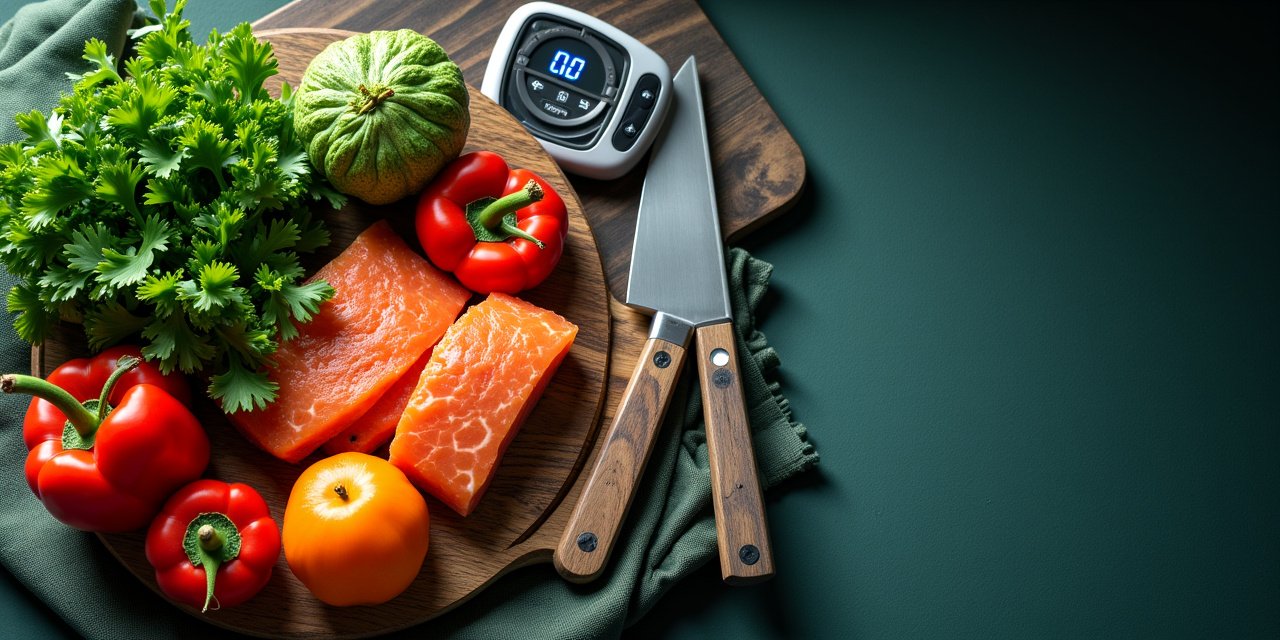
Meal Plan and Macro Tracking Integration
Nutrition coaching runs on data. General coaching software was never built to hold it.
A client's daily intake, a weekly macro target, and a photo log matter. They are not optional extras. They are the whole job.
Any platform evaluation for a nutrition practice has to start here. Not with scheduling. Not with invoicing.
There are two ways a platform handles this. Some build meal planning and macro tracking directly into the product.
Coaches assign targets. Clients log meals inside the same app they use for messaging and check-ins.
Others lean on integrations with dedicated logging apps, in the MyFitnessPal or Cronometer style. That data pulls into the coach's dashboard through a connected account.
Neither approach is automatically better. Built-in tracking keeps everything in one login.
That reduces the number of places a client can drop off. But the client has to learn a new interface. That is instead of using an app they already know.
Third-party integrations meet clients where they already are. The tradeoff is a dependency on another company's API. And a login the coach does not control.
What actually matters for retention is not which model a platform uses. It is whether logged data shows up next to the client's other information.
Without the coach opening a second tab. A coach who has to toggle between two tools loses time on every client. That happens every single week.
At 30 or 40 active clients, that toggle tax adds up. It becomes the reason a coach caps their roster lower than their business could support.
Sync Reliability and Plan Delivery
Ask any platform you evaluate a specific question. Can I see this client's logged meals next to their check-in notes, without switching apps?
If the answer is no, budget for the workaround before you sign a contract. Pricing details and current partner terms are covered in our affiliate disclosure.
There is a second question worth asking. Coaches skip it more often than the first.
Does the integration sync automatically? Or does the client have to manually export and upload their log each week?
Manual export is a compliance step disguised as a feature. Busy clients will skip it.
The coach ends up coaching from incomplete data without realizing it.
Meal plan delivery matters too, separately from logging. A coach who builds plans in a spreadsheet is adding an extra step. Emailing them out adds another.
A modern platform should absorb that step. Look for the ability to assign a plan inside the client's profile.
Update it mid-cycle. Let the client see the change without a new file landing in their inbox.
Version confusion is a small problem. A client following last month's plan by mistake erodes trust over time.
None of this requires the fanciest tracking stack available. It requires a workflow a coach can run consistently across every client on their roster.
Without the tools themselves becoming the bottleneck.
Client Retention Mechanics: Check-In Cadence, Nudges, and Accountability Loops
Nutrition coaching has a specific churn pattern. Clients do not usually quit because a meal plan failed. They quit because they went quiet, felt behind, and assumed the coach had already noticed.
The software's job is to prevent that silence from turning into a cancellation.
Check-in cadence. Weekly structured check-ins tend to outperform daily ones. Daily requests wear clients down.
They also generate noise the coach cannot realistically review. A platform built for this rhythm should support a weekly form.
Weight, photos, adherence notes, energy levels, all in one place.
Lighter async logging can fill the gaps in between. One rigid format for every client relationship rarely works.
Automated nudges. A client who has not logged in three days is a client at risk. Manually tracking that across 30 clients is not realistic for one coach.
Automated nudges, triggered by missed check-ins or logging gaps, catch the drop-off early. The nudge should feel like it came from the coach.
Not a system alert with no personality behind it.
Accountability loops. The strongest retention mechanic is a visible feedback loop. Client logs, coach responds, client sees the response tied to their own data.
A platform that lets a coach comment directly on a logged week closes that loop. It works on the client's own data. It closes faster than a generic message thread.
Speed of response predicts renewal better than almost anything else.
Beyond the Core Mechanics
None of this replaces the coaching relationship itself. Software cannot create accountability that was never there.
What it can do is route the coach's attention to the clients who need it. Instead of spreading it evenly across everyone, regardless of who is struggling.
There is a quieter retention factor too: how the client experiences the check-in itself. A form that takes two minutes gets filled out consistently.
A form that takes fifteen minutes gets skipped, then skipped again, then abandoned. Coaches evaluating software should fill out their own check-in form. They should do it as if they were the client.
Start to finish, before rolling it out to anyone else.
Progress visualization plays a role too. Clients who can see a trend line of their own adherence stay motivated longer.
Longer than clients who only get a written summary.
That data has to exist somewhere for the visualization to work. It loops back to the logging integration covered above.
Retention mechanics and tracking infrastructure are not separate problems. They depend on each other.
Quick Assessment
See if your nutrition practice is ready for dedicated coaching software.
Structured walkthrough. No obligation. Built for coaches managing more than a handful of active clients.
Explore Coaching Options →Billing Models for Nutrition Coaches: Packages vs. Subscriptions
Nutrition coaches tend to sell one of two ways. The software has to support both without extra manual work.
Packages. A fixed-length engagement, often 8 to 16 weeks, tied to a specific goal. A competition prep, a defined reset, a seasonal program.
Packages work well when there is a clear finish line. The billing side is usually a one-time charge or a short installment plan.
The platform needs to handle a defined end date cleanly. That includes what happens to the client's data and access after it closes.
Subscriptions. Ongoing monthly coaching for clients focused on maintenance, not a single event. This model rewards platforms with reliable recurring billing.
Automatic retry logic on failed cards matters here. So do clear dunning emails, so a coach is not manually chasing a declined payment.
Many nutrition coaches run both models inside the same business. Packages for new clients working toward a specific outcome.
Subscriptions for graduates who want ongoing accountability. That mix is common.
It means the billing engine inside your coaching software needs to handle two charge types. Recurring and one-time charges should work side by side. It should not force a choice between the two.
A platform that only supports one billing style will eventually push a coach toward spreadsheets. Or a separate payment processor to cover the gap.
That fragmentation is exactly what a coaching platform is supposed to prevent.
There is a third pattern worth naming: hybrid pricing. A client pays a package rate for an initial assessment and plan build.
Then rolls onto a subscription for ongoing check-ins.
This structure front-loads the coach's setup work into one clear line item. It smooths the rest into predictable monthly revenue.
It is popular because it matches how the coaching work actually gets delivered. Heavy at the start, lighter and more consistent after.
Cancellation handling deserves attention too, before it becomes a problem. A client who wants to pause for a few weeks needs a graceful path. That path should exist inside the platform.
Coaches who lack that option often lose the client entirely. A pause feature that preserves logged history is a small detail.
One that protects revenue over the long run.
What Generic CRMs Miss for Nutrition-Specific Workflows
A general-purpose CRM handles contacts, calendar bookings, and email sequences reasonably well. Plenty of service businesses run on one.
Nutrition coaching is not a generic service business. The gaps show up fast once a coach tries to force the workflow to fit.
No food or macro data model. A CRM has fields for names, tags, and deal stages. It does not have a structure for daily intake or macro targets.
Coaches end up bolting on a spreadsheet or a separate logging app. That recreates the same fragmentation the CRM was supposed to solve.
No check-in templates built for the workflow. Generic form builders can technically create a weekly check-in form. They cannot connect that form to a client's logged history automatically.
The coach still has to manually cross-reference two systems every week.
Billing that is not built for coaching-specific structures. Many CRMs handle invoicing. But they were not designed around the package-versus-subscription mix common in nutrition coaching.
Coaches often end up managing packages in the CRM. Subscriptions then run through a separate payment processor. Client billing status ends up living in two places at once.
No accountability-specific messaging context. A CRM message thread looks the same no matter the topic. The topic might be a sales inquiry. Or it might be a client who missed three check-ins in a row.
Nutrition coaching benefits from messaging tied directly to logged data. The coach can see the missed logs and the conversation in one view. There is no need to reconstruct context every time.
None of this means a CRM is a bad tool. It means a CRM is the wrong tool for running a nutrition coaching practice. That is true at any real scale.
The tell is usually workload, not intent. A coach starting out with three or four clients can run everything through a CRM. A free logging app can fill in the gaps without much pain.
The cracks appear around client fifteen or twenty. That is when the coach spends more time reconciling data. There is less time left to review what the client actually ate.
At that point, switching platforms usually costs less. The alternative is duct-taping a generic system into something it was never built to be.
Comparison Matrix: What to Look For
Which setup fits your nutrition coaching practice?
How many active clients are you currently coaching?
How to use this: answer two quick questions and get a directional recommendation based on the evaluation criteria above. Not a substitute for reading a vendor's current pricing page. This tool does not provide nutrition or medical advice.
No single column wins on every row for every coach. A solo coach with five clients might get by on a logging app. A spreadsheet can fill the rest, at least for a while.
A coach managing 30 or more active relationships needs the built-in view. The toggle tax between separate tools scales with every client added.
Frequently Asked Questions
Do nutrition coaching platforms need built-in macro tracking, or is a third-party integration enough?
A third-party integration is usually enough, and it can be the smarter choice. Clients already logging food in MyFitnessPal or Cronometer rarely want to switch apps mid-habit.
What matters more is whether your coaching platform can pull that data into one view. That view should sit next to check-ins and messages, for one client at a time. It should not be a separate app for food logs.
What is a reasonable check-in cadence for online nutrition coaching?
Weekly structured check-ins are the most common pattern among coaches who report strong retention. Async photo or measurement logging can fill the gaps in between. Daily check-ins tend to create fatigue for the client and admin overload for the coach.
The platform matters here. Automated nudges and templated check-in forms make a weekly cadence sustainable. They help it hold up past a handful of clients.
Should nutrition coaches charge by package or by subscription?
Packages tend to fit shorter, goal-specific engagements. Think of a 12-week prep or a defined reset period. Subscriptions fit ongoing maintenance coaching, where the value is accountability rather than a finish line.
Many coaches run both models at once. That means the billing engine inside your platform needs to handle recurring and one-time charges. It should do so without manual invoicing.
Can a general CRM handle a nutrition coaching business instead of dedicated software?
A general CRM can handle contacts and calendar bookings. It was not built for food logs, macro targets, or recurring photo check-ins.
Coaches often try to force nutrition workflows into a generic CRM. That usually ends with bolting on extras. That means spreadsheets. It also means separate tracking apps. That recreates the exact fragmentation a coaching platform is supposed to remove.
Ready to give your nutrition practice the infrastructure it needs?
Aevum Transform connects coaches with coaching management infrastructure. It is built for real client loads, not just a demo screen.
Affiliate disclosure: This page contains affiliate links. If you purchase through these links, we may earn a commission. There is no additional cost to you. See our full disclosure policy.
Try Simply Coach + Bonuses →